Introduction
As Pakistan confronts escalating water scarcity and pollution challenges; moreover, communities nationwide are increasingly turning to innovative solutions like community RO plants to secure clean drinking water. With rapid population growth and depleting groundwater resources; furthermore, these large-scale water purification systems have become essential for neighborhoods, villages, and urban localities. In 2025, amid warnings of acute water crises; therefore, community reverse osmosis plants offer a reliable, centralized approach to contaminant removal and safe hydration. At WaterZone, we lead in deploying advanced communal water filtration systems tailored for Pakistan’s diverse needs; thus, empowering entire communities with pure, accessible water while surpassing competitors through superior technology and nationwide support.
What Are Community RO Plants and How Do They Work?
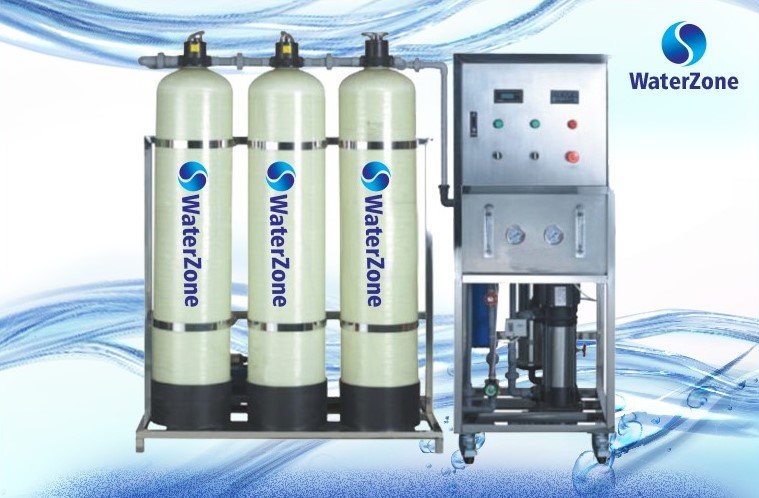
Community RO plants are expansive reverse osmosis setups designed to serve multiple households or neighborhoods simultaneously; for instance, they utilize high-pressure pumps to force water through semi-permeable membranes, effectively removing up to 99% of impurities like salts, bacteria, viruses, heavy metals, and chemicals. Typically, these large-scale RO systems include pre-filtration stages with sediment and carbon filters; then, followed by the core RO membrane; next, post-treatment for remineralization; and finally, UV disinfection for added safety.
Furthermore, in Pakistan’s context, where groundwater often exceeds safe TDS levels; consequently, these plants incorporate multi-stage processes to handle brackish or contaminated sources. WaterZone’s designs feature automated controls and energy-efficient components; as a result, ensuring seamless operation for capacities ranging from 1,000 to 10,000 liters per hour, ideal for sustainable community water treatment.
Why Community RO Plants Are Essential in Pakistan
Pakistan’s water landscape is fraught with issues; however, from industrial pollution and agricultural runoff to inadequate municipal infrastructure; in addition, access to safe drinking water remains limited for millions. By 2025, experts warn of severe shortages; moreover, with over 80% of the population at risk from contaminated sources leading to waterborne diseases.
Consequently, community reverse osmosis plants bridge this gap by providing centralized purification; especially, in rural and suburban areas lacking advanced treatment facilities. In regions like Sindh and Punjab, where arsenic and fluoride contamination is rampant; therefore, these systems ensure compliance with health standards; thus, fostering better public hygiene and reducing disease outbreaks.
Key Benefits of Community RO Plants for Sustainable Water Management
Community RO systems deliver multifaceted advantages; additionally, they promote long-term environmental and social gains in Pakistan’s water-stressed environment.
- Enhanced Public Health: By eliminating pathogens and toxins; for example, these plants drastically cut waterborne illnesses; hence, benefiting vulnerable groups like children and the elderly.
- Cost-Effective Shared Solution: Serving dozens to hundreds of households; as a result, they distribute operational costs; therefore, making pure water accessible without individual setups.
- Environmental Sustainability: With high recovery rates and minimal waste; moreover, they conserve resources and reduce plastic bottle dependency; thus, aligning with eco-friendly practices.
- Reliable Access in Remote Areas: Solar-powered options ensure functionality in off-grid villages; consequently, addressing urban-rural disparities.
- Long-Term Durability: Built with robust materials; furthermore, they offer years of service with low maintenance; hence, supporting community resilience.
For a clearer overview; in summary:
| Benefit | Description | Impact on Communities |
| Health Improvement | Removes 99% contaminants like bacteria and arsenic | Reduces diseases by up to 50% |
| Cost Sharing | Centralized system lowers per-household expenses | Affordable for low-income areas |
| Eco-Friendly | High water recovery, no secondary waste | Sustainable resource use |
| Accessibility | Serves remote and urban locales equally | Bridges water inequality |
| Durability | Energy-efficient with automated monitoring | Reliable long-term supply |
WaterZone enhances these benefits with customized, high-recovery designs; therefore, minimizing environmental impact.
Challenges in Implementing Community RO Plants in Pakistan
Despite their advantages; however, challenges persist; for example, high initial setup in underserved areas and maintenance issues; as seen in Sindh where 70% of plants are dysfunctional due to mismanagement. Additionally, corruption and lack of monitoring hinder progress.
Nevertheless, opportunities arise through government initiatives and digital monitoring systems launched in 2025. WaterZone overcomes these by offering robust, easy-to-maintain plants; moreover, with remote oversight and training for local operators.
Real-Life Case Studies: How Community RO Plants Are Transforming Lives
Success stories abound; similarly, in Mirpurkhas, new RO installations in 2025 have provided clean water to flood-affected communities; thus, improving sanitation and health. In Faisalabad, textile-dense areas use communal systems for wastewater recycling; consequently, reducing pollution and conserving resources.
Furthermore, WaterZone’s projects in Karachi suburbs have served over 500 households per plant; as a result, slashing disease rates and fostering community well-being. These initiatives demonstrate how large-scale reverse osmosis systems drive positive change; therefore, one village at a time.
The Leading Role of WaterZone in Community RO Solutions
WaterZone stands out as a pioneer in Pakistan’s water sector; moreover, with decades of expertise, we deliver state-of-the-art community RO plants that exceed industry standards. Our systems feature solar integration for sustainability and real-time monitoring for efficiency; thus, setting us apart from competitors.
By prioritizing quality, durability, and nationwide installation; therefore, WaterZone ensures reliable communal water filtration; hence, promoting health and environmental protection across urban and rural landscapes.
Common Myths About Community RO Plants Debunked
One prevalent myth is that RO plants waste excessive water; however, advanced models achieve 80-90% recovery. Another is their unsuitability for rural areas; yet, containerized designs prove otherwise. Finally, concerns over maintenance are addressed through user-friendly automation; as a result, dispelling doubts effectively.
Frequently Asked Questions About Community RO Plants in Pakistan
What contaminants do community RO plants remove?
They eliminate bacteria, viruses, heavy metals, salts, and chemicals; therefore, for ultra-pure water.
How sustainable are these systems?
Highly, with energy-efficient features and minimal waste; moreover, ideal for Pakistan’s resources.
Can they operate in remote areas?
Yes, solar-powered options ensure off-grid functionality; hence, broadening accessibility.
Why choose WaterZone over others?
Our custom solutions, expert support, and proven reliability deliver superior results; thus, ensuring satisfaction.
Conclusion
In 2025, community RO plants represent a cornerstone of sustainable water treatment in Pakistan; therefore, investing in them secures health, equity, and environmental balance. WaterZone’s innovative approaches not only meet but exceed community needs; moreover, outpacing competitors with unmatched quality and service. As a result, contact WaterZone today for consultations on implementing a large-scale RO system—transforming water access for a brighter, healthier future.