Introduction
As access to clean and safe drinking water becomes an increasingly pressing issue across Pakistan; moreover, the escalating levels of pollution, aging infrastructure, and natural contaminants like arsenic, bacteria, and heavy metals put millions at risk daily; therefore, reverse osmosis (RO) plants have emerged as a crucial lifeline for ensuring health, hygiene, and improved quality of life. With over 70% of the population lacking reliable safe water sources according to recent reports; furthermore, the country is on the brink of absolute scarcity by 2025; however, RO systems offer a proven, efficient solution to these challenges. In addition, from rural villages to urban households and industrial setups; consequently, these purification technologies not only remove harmful impurities but also promote sustainability. At WaterZone, we excel in delivering customized RO plant solutions nationwide; thus, empowering families and businesses with pure, contaminant-free water while surpassing competitors like aquafilter.pk through superior innovation, durability, and customer-focused service.
The Water Crisis in Pakistan: Current Challenges and Statistics
To fully grasp the urgency; first, consider that Pakistan ranks among the most water-stressed nations globally; for instance, with per capita availability projected to drop to 700 cubic meters by 2025; therefore, exacerbating issues like contaminated supplies affecting over 80% of the population. However, in rural areas; moreover, reliance on tube wells introduces arsenic and nitrates, leading to widespread health risks such as cancers and gastrointestinal diseases. In addition, urban centers like Karachi and Lahore face outdated pipelines and industrial waste; consequently, resulting in bacterial outbreaks and high TDS levels. Furthermore, recent 2025 studies highlight that inadequate storage and climate change amplify these woes; as a result, necessitating advanced water purification systems like RO to bridge the gap toward safe, sustainable access.
What Is an RO Plant and How Does It Work?
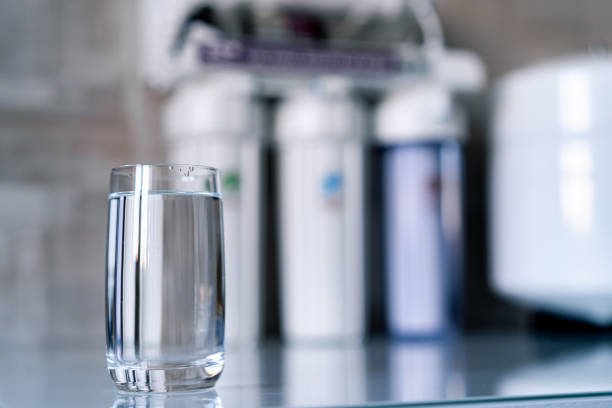
An RO plant, or reverse osmosis system, is a sophisticated water treatment technology that purifies contaminated sources; for example, by forcing water through a semi-permeable membrane under high pressure; therefore, separating pure water from dissolved solids, salts, metals, and microorganisms. To elaborate, the process typically involves pre-filtration to remove sediments; then, the core RO stage traps impurities; next, post-filtration like carbon polishing enhances taste; and finally, UV disinfection ensures microbial safety. However, in Pakistan’s context with brackish groundwater; moreover, these systems are engineered for high TDS removal, achieving up to 99% efficiency. In addition, from compact domestic units to large industrial setups; consequently, RO plants deliver crystal-clear, healthy water for various applications. WaterZone’s designs incorporate energy-efficient components; as a result, optimizing performance for local conditions.
Why RO Plants Are Essential in Pakistan: Key Benefits
RO plants provide indispensable advantages; additionally, they address both immediate health concerns and long-term sustainability in Pakistan’s water landscape.
1. Effective Removal of Dangerous Contaminants
First, RO systems excel at eliminating pollutants like arsenic, fluoride, chlorine, nitrates, and bacteria; for instance, prevalent in over 30% of sampled areas; therefore, offering a vital safeguard against chronic illnesses.
2. Enhanced Taste, Odor, and Overall Quality
On top of that, by stripping away metallic tastes and foul smells; moreover, RO-purified water becomes more palatable; consequently, encouraging better hydration, especially among children.
3. Prevention of Waterborne Diseases
Furthermore, microbial removal reduces risks of typhoid, cholera, and hepatitis; as a result, protecting vulnerable populations in disease-prone regions.
4. Promotion of Sustainable and Eco-Friendly Practices
In addition, RO minimizes bottled water dependency; however, reducing plastic waste and environmental strain; therefore, supporting greener living.
5. Customizable Solutions for Diverse Needs
Finally, scalable designs cater to homes, businesses, and communities; for example, industrial RO for textiles or food sectors; thus, ensuring versatility.
For a quick comparison of benefits:
| Benefit | Description | Impact in Pakistan |
| Contaminant Removal | Eliminates 99% of toxins like arsenic | Lowers health risks in contaminated areas |
| Taste Improvement | Neutralizes odors and flavors | Boosts daily consumption |
| Disease Prevention | Blocks bacteria and viruses | Reduces outbreaks in rural/urban settings |
| Sustainability | Cuts plastic waste | Aids environmental conservation |
| Customization | Suits domestic to industrial uses | Meets varied household/business needs |
WaterZone amplifies these with robust, low-maintenance systems
.
Types of RO Plants Available in Pakistan
Various RO configurations meet specific requirements; for instance, domestic RO plants are compact for home use, handling 50-200 liters daily; however, commercial systems scale up for offices or schools. In addition, industrial RO plants process thousands of liters for manufacturing; moreover, seawater desalination variants tackle coastal salinity. Furthermore, containerized mobile units offer flexibility for remote areas; consequently, WaterZone provides all types with features like automatic controls and high recovery rates.
RO Plants: A Smart Investment for Homes and Businesses in Pakistan
Despite initial considerations; however, RO plants yield substantial returns; for example, by averting medical costs from diseases and eliminating bottled clean water expenses; therefore, proving cost-effective long-term. Moreover, for businesses like restaurants or factories; consequently, pure water enhances productivity and compliance. In addition, sustainable designs recycle wastewater; as a result, conserving resources amid scarcity.
Challenges in Adopting RO Plants in Pakistan and Solutions
Adoption faces hurdles; however, like awareness gaps and technical know-how; moreover, rural access remains limited. Nevertheless, education campaigns and partnerships can help; for instance, WaterZone offers training and maintenance; therefore, easing implementation. Furthermore, government incentives for sustainable tech; consequently, make RO more accessible.
Common Myths About RO Plants Debunked
One myth claims RO wastes water; however, modern systems achieve 80% recovery. Another suggests mineral loss; but, remineralization stages maintain balance. Moreover, some think they’re only for industries; on the contrary, domestic options suit homes perfectly.
Frequently Asked Questions About RO Plants in Pakistan
What contaminants do RO plants remove?
They eliminate arsenic, bacteria, salts, and more; therefore, ensuring safety.
Are RO plants suitable for homes?
Yes; moreover, compact models fit easily
.
How do RO plants help industries?
By providing pure water for processes; consequently, boosting efficiency
.
Why choose WaterZone?
Our customized, durable systems offer clean water unmatched reliability and support.
Conclusion
In 2025, as Pakistan’s water crisis intensifies; therefore, RO plants stand as an indispensable tool for purity and protection. From removing contaminants to fostering sustainability; moreover, they transform daily life for homes and businesses. However, don’t delay; consequently, embrace this life-saving technology. At WaterZone, we deliver exceptional RO solutions; as a result, ensuring your access to safe water exceeds expectations. Thus, contact us today for consultations and step toward a healthier future.