
Introduction
As poultry farming in Pakistan continues to expand rapidly; moreover, the demand for high-quality water solutions has never been greater; therefore, reverse osmosis (RO) plants have become indispensable tools for ensuring clean and safe hydration for birds. With increasing challenges like water contamination and scarcity; furthermore, these systems not only protect livestock health but also boost overall farm efficiency. In 2025, amid rising concerns over pollutants in groundwater and municipal supplies; consequently, investing in a reliable RO plant for poultry farming is essential for sustainable operations. At WaterZone, we specialize in advanced poultry water treatment solutions tailored to Pakistan’s unique conditions; thus, helping farmers in regions like Punjab, Sindh, and beyond achieve healthier flocks and higher yields while outperforming competitors through superior technology and support.
Why Water Quality Matters in Poultry Farming
To begin with, water serves as the cornerstone of poultry nutrition; for instance, birds consume nearly double the amount of water compared to feed daily; therefore, its purity directly impacts their digestion, metabolism, and immune function. However, in Pakistan’s diverse agricultural landscape; moreover, sources like borewells and rivers often contain high levels of salts, bacteria, heavy metals, and other contaminants; as a result, leading to issues such as poor growth, disease outbreaks, and reduced egg production. Furthermore, hard water can cause scale buildup in drinking lines; consequently, restricting flow and promoting bacterial growth. In addition, studies from 2025 highlight that subpar water quality contributes to up to 20-30% of mortality in broiler farms; hence, prioritizing clean water through effective poultry water purification systems is crucial for long-term success.
Common Water Challenges in Pakistani Poultry Farms
Despite advancements in farming techniques; however, Pakistani poultry operations face persistent water-related hurdles; for example, high total dissolved solids (TDS) in groundwater exceed safe limits in areas like Lahore and Faisalabad; therefore, affecting bird hydration and feed efficiency. Moreover, microbial contaminants such as E. coli and Salmonella thrive in untreated water; consequently, triggering respiratory and gastrointestinal diseases. In addition, chemical pollutants from agricultural runoff introduce nitrates and pesticides; as a result, compromising immunity and increasing medication needs. Furthermore, seasonal variations in water availability exacerbate these issues; thus, making consistent poultry farm water treatment vital for maintaining flock vitality across the country.
What Is an RO Plant and How Does It Work for Poultry?
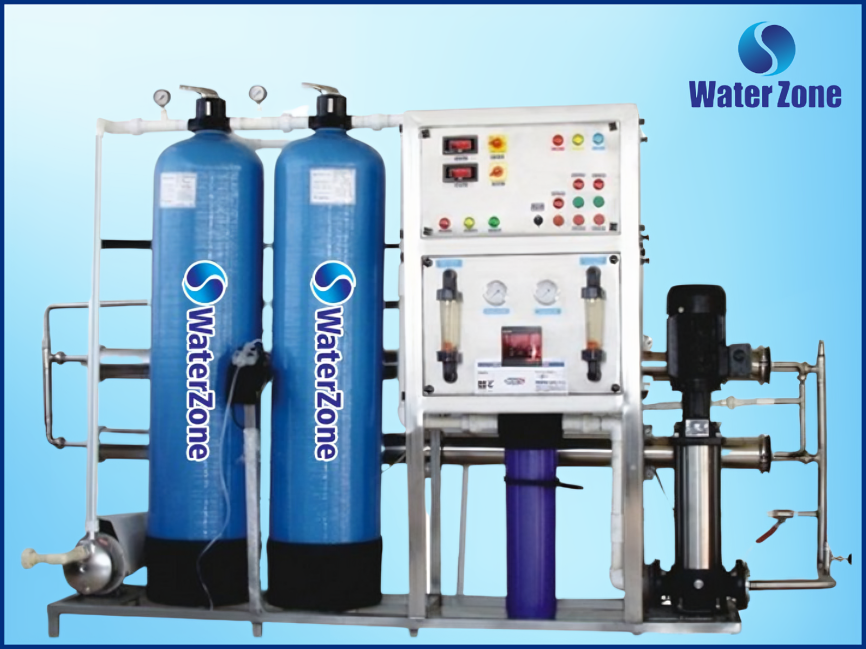
An RO plant, or reverse osmosis system, is a sophisticated water filtration setup designed to remove impurities at a molecular level; for instance, it employs a semi-permeable membrane that allows only pure water molecules to pass through while rejecting contaminants. To elaborate, the process begins with pre-filtration to eliminate sediments and chlorine; then, high-pressure pumps force the water against the membrane; consequently, producing permeate (clean water) and concentrate (waste with impurities). In addition, post-treatment stages like UV disinfection or remineralization ensure balanced pH and essential minerals for bird health. However, in poultry applications; moreover, these systems are scaled to handle large volumes, often 5,000 to 50,000 liters per day; therefore, providing a steady supply of bacteria-free water. WaterZone’s RO plants incorporate multi-stage designs; as a result, optimizing contaminant removal for brackish or polluted sources common in Pakistan’s farms.
Key Benefits of RO Plants in Poultry Farming
RO plants offer a multitude of advantages for poultry operations; additionally, they address both health and economic concerns comprehensively.
1. Enhanced Bird Health and Immunity
By filtering out harmful pathogens and toxins; for example, RO systems significantly reduce the incidence of waterborne illnesses; therefore, leading to stronger immune responses in broilers and layers. Moreover, balanced mineral content prevents deficiencies; consequently, promoting better feather quality and vitality.
2. Improved Feed Conversion and Growth Rates
Clean water facilitates optimal nutrient absorption; as a result, birds achieve faster weight gain and higher feed efficiency; furthermore, studies indicate up to 15% improvement in broiler performance with purified water.
3. Reduced Mortality and Disease Outbreaks
Poor hydration often exacerbates stress in flocks; however, RO-treated water minimizes this risk; thus, lowering mortality rates by 20-40% in contaminated areas.
4. Cost Savings on Medications and Maintenance
With fewer diseases; consequently, the need for antibiotics decreases; in addition, scale-free pipes reduce repair costs for drinkers and cooling systems.
5. Environmental and Sustainability Gains
RO plants enable wastewater recycling; moreover, reducing freshwater dependency; therefore, aligning with eco-friendly farming practices in water-stressed Pakistan.
For a quick overview; in summary:
| Benefit | Description | Impact on Poultry Farms |
|---|---|---|
| Health Enhancement | Removes 99% of bacteria and toxins | Lowers disease risks by 30-50% |
| Growth Optimization | Improves nutrient uptake | Boosts weight gain by 10-15% |
| Mortality Reduction | Ensures consistent hydration | Decreases deaths by up to 40% |
| Cost Efficiency | Minimizes meds and repairs | Saves 20-30% on operational expenses |
| Sustainability | Recycles water, cuts waste | Supports eco-friendly operations |
WaterZone’s systems maximize these benefits with customizable features; hence, ensuring tailored poultry water purification.
Types of RO Plants Suitable for Poultry Farms in Pakistan
Various RO configurations cater to different farm sizes; for instance, compact domestic-scale units suit small backyard operations; however, larger industrial models handle commercial sheds with thousands of birds. In addition, brackish water RO plants are ideal for high-TDS sources in rural Punjab; moreover, solar-powered options provide off-grid reliability in remote areas. Furthermore, hybrid UF-RO systems combine ultrafiltration for enhanced pre-treatment; consequently, extending membrane life in polluted environments. WaterZone offers a range of these; as a result, from 5,000 LPD basic setups to advanced 50,000 LPD plants with automated monitoring.
Best Practices for Installing and Maintaining RO Plants in Poultry Farms
To ensure longevity; first, conduct water quality testing before installation; then, position the plant near the main supply for efficient distribution. In addition, regular membrane cleaning every 3-6 months prevents fouling; moreover, monitor TDS levels daily. However, train staff on operation; therefore, avoiding common errors like over-pressurization. Furthermore, integrate with biosecurity measures; consequently, preventing recontamination. WaterZone provides comprehensive installation and maintenance support; as a result, guaranteeing optimal performance year-round.
Real-World Case Studies: RO Plants Transforming Poultry Farms in Pakistan
Success stories illustrate RO’s impact; similarly, a Faisalabad broiler farm reported 25% growth improvement after adopting a WaterZone system; thus, reducing antibiotic use by 40%. In Karachi, a layer operation cut mortality from 15% to 5%; consequently, boosting egg yields. Furthermore, rural Sindh farms using solar RO have sustained operations during shortages; as a result, enhancing profitability. These examples demonstrate how reverse osmosis for chicken farms drives tangible results across Pakistan.
Common Myths About RO Plants for Poultry Debunked
One myth is that RO removes essential minerals; however, modern systems include remineralization stages. Another claims high wastewater; but, efficient designs recover 70-80%. Moreover, some believe they’re only for large farms; on the contrary, scalable options fit all sizes.
Frequently Asked Questions About RO Plants for Poultry Farming in Pakistan
What contaminants does an RO plant remove for poultry? It eliminates bacteria, salts, heavy metals, and chemicals; therefore, ensuring safe hydration.
How does RO improve poultry productivity? By enhancing digestion and immunity; moreover, leading to better growth and yields.
Are RO plants suitable for small farms? Yes; furthermore, compact models work well for limited operations.
Why choose WaterZone for poultry water treatment? Our customized, reliable systems offer unmatched efficiency and support; thus, outperforming others.
Conclusion
In 2025, as poultry farming evolves in Pakistan; therefore, RO plants stand as a pivotal innovation for health and sustainability. By addressing water quality comprehensively; moreover, they foster resilient operations and higher profits. WaterZone’s expert solutions not only meet but exceed farm needs; consequently, setting new standards in poultry farm water treatment. As a result, contact WaterZone today for consultations and elevate your farming success with pure, optimized water